
Dreaming of jet-setting to exotic destinations without breaking the bank? A travel credit card might just be your ticket (literally!) In this guide, we’ll break down why a travel credit card is essential to travel like a rich girl and how to pick the perfect one for your lifestyle.
- Why You Need a Travel Credit Card
- Understanding Credit Score Requirements for Travel Credit Cards
- How to Pick the Best Travel Credit Card
- Comparing 7 Travel Credit Cards
- Chase Sapphire vs Amex Platinum: Which Card Delivers More Value?
- So, Which Travel Credit Card is Right For You?
- Travel Credit Cards: FAQs
Why You Need a Travel Credit Card
Earn Points and Miles: Imagine turning your daily Starbucks run into a free flight to Paris. Travel credit cards help you accumulate points and miles for every dollar spent, making your dream vacations more attainable. If you’re not earning points on purchases (travel and non-travel), you’re leaving so much on the table!
Travel Perks and Protections: From travel insurance to purchase protection, these cards come packed with perks that make your trips smoother and more luxurious. Enjoy access to exclusive airport lounges, priority boarding, and more, depending on the card you pick.
Sign-Up Bonuses: Many travel credit cards offer lucrative sign-up bonuses that give you a head start on your travel goals. Earn tens of thousands of points just for meeting a minimum spending requirement – that’s like getting rewarded for shopping!
No Foreign Transaction Fees: Say goodbye to those pesky foreign transaction fees that add up during your international trips. Many travel credit cards waive these fees, saving you money on every purchase abroad.
Cash Back and Discounts: Some travel cards offer cash back or discounts on travel-related expenses, stretching your travel budget further.
Building Credit: When used responsibly, a travel credit card can help you build a strong credit history, opening doors to better financial opportunities in the future.
Understanding Credit Score Requirements for Travel Credit Cards
Minimum Credit Score Needed for Travel Credit Cards
Most travel credit cards require a minimum credit score of 700, with premium cards often needing a score of 740 or higher. A good credit score reflects your creditworthiness and increases your chances of approval.
How to Check the Requirements and Your Credit Score
1. Research Card Requirements: Visit the card issuer’s website or check customer reviews to find out specific credit score requirements.
2. Check Your Credit Score: Use free services like AnnualCreditReport.com or credit monitoring platforms like Credit Karma to review your score. Some banks and credit card issuers also provide free access to your credit score through your account.
Before applying for a travel credit card, ensure you meet the credit score requirements and understand your own credit standing. This preparation can significantly enhance your chances of approval and help you maximize the travel benefits these cards offer.
How to Pick the Best Travel Credit Card for You
One of the first ways to evaluate what card is best for you is to assess your travel habits and goals. Are you a frequent flyer or an occasional adventurer? Your travel frequency can influence which card is best for you. For frequent travelers, cards with higher rewards rates on travel spending are ideal.
You’ll also want to determine what benefits matter most to you – lounge access, travel insurance, concierge services, etc. Your priorities will guide your choice.
Evaluate the Costs and Fees
Annual Fees: Weigh the annual fee against the card’s benefits. Sometimes a high fee is worth it if the perks outweigh the cost. For example, The Platinum Card® from American Express has a hefty annual fee but offers extensive benefits. As long as you’re actually using those benefits, it can be worth it!
Interest Rates: Understand the APR if you plan to carry a balance. Paying off your card monthly is always ideal, but knowing the interest rates can help you avoid surprises.
Other Fees: Consider other potential fees such as balance transfer fees, late payment fees, and how they might impact you.
Compare Rewards and Earning Potential
Earning Rates: Compare how different cards reward spending in various categories like travel, dining, groceries, and everyday purchases. Cards like the Chase Sapphire Preferred® offer 2x points on travel and dining, which can add up quickly.
Redemption Flexibility: Look for flexible redemption options, whether through transfer partners, statement credits, or direct bookings. The Capital One Venture Rewards Credit Card allows you to redeem miles for travel purchases or transfer them to airline partners.
Sign-Up Bonuses and Promotions: Maximize your rewards by taking advantage of sign-up bonuses and promotional offers. These can significantly boost your points balance.
Consider Additional Perks and Benefits
Travel Insurance and Protections: Choose a card that offers comprehensive travel insurance and protections, such as trip cancellation, lost luggage reimbursement, and car rental insurance.
Airport Lounge Access: Lounge access can make a huge difference in your travel experience. Cards like The Platinum Card® from American Express offer access to Centurion Lounges, Priority Pass lounges, and more.
Customer Service and Support: Strong customer service is crucial, especially for resolving travel-related issues. Look for cards with high customer satisfaction ratings.
Travel Credit Cards
Chase Sapphire Preferred® Card
Annual Fee: $95
Minimum Credit Score: Good to Excellent (700+)
Key Benefits:
- Sign-Up Bonus: Earn a substantial sign-up bonus (typically 60,000 points) after meeting a minimum spending requirement.
- Earning Rates: 2× points on travel & dining; 1× on other purchases. Transfer partners include airlines and hotels.
- Redemption Flexibility: Points are worth 25% more when redeemed for travel through Chase Ultimate Rewards. Points can also be transferred to various airline and hotel partners.
- Travel Protections: Includes trip cancellation insurance, primary car rental insurance, and baggage delay insurance.
- Lounge Access: Does not offer airport lounge access.
Chase Sapphire Reserve®
Annual Fee: Now $795 (raised from $550)
Minimum Credit Score: Excellent (740+)
Key Benefits:
- Sign-Up Bonus: Enjoy a generous sign-up bonus (typically 50,000 to 60,000 points) after meeting a minimum spending requirement.
- Earning Rates:
- 4× points on direct airline/hotel bookings
- 8× on Chase Travel purchases
- 3x points on all dining
- Credits:
- $300 annual travel credit (applies automatically to travel purchases)
- $500 annual credit on Chase collection hotels
- $120 Global Entry, TSA Precheck or Nexus credit every four years
- A new $300 annual dining credit through OpenTable
- $250 annual value through complimentary subscriptions to Apple TV+ and Apple Music
- $300 annual StubHub credit on concert and event tickets
- $120 in annual Lyft in-app credits, up to $10 monthly
- $300 annually in monthly DoorDash promos and complimentary DashPass membership worth $120 annually
- Redemption Flexibility: Points are worth 50% more when redeemed for travel through Chase Ultimate Rewards. They can also be transferred to various airline and hotel partners.
- Travel Protections: Comprehensive travel insurance including trip cancellation/interruption insurance, primary car rental insurance, and baggage delay insurance.
- Lounge Access: Access to Priority Pass Select lounges and Chase Sapphire Lounge
American Express® Gold Card
Annual Fee: $250
Credit Score Requirement: Good to Excellent (670–850)
Key Benefits:
- Sign-Up Bonus: 60,000 points after $4,000 spend in the first 3 months
- Earning Rates: 4× at restaurants, including takeout and delivery; 3× on flights booked directly or on amextravel.com; 1× on other purchases
- Key Perks:
- $120 dining credit ($10 monthly) at select partners
- No foreign transaction fees
- Lounge Access: Access to Delta Sky Club when flying Delta; Priority Pass access available with enrollment
The Platinum Card® from American Express
Annual Fee: $895 (raised from $695)
Minimum Credit Score: Excellent (740+)
Key Benefits:
- Sign-Up Bonus: Large sign-up bonus (typically 100,000 points or more) after meeting a minimum spending requirement.
- Earning Rates:
- 5× points on flights booked directly with airlines or through American Express Travel (up to $500,000 per year)
- 5× points on prepaid hotels booked via Amex Travel
- 1× point on other eligible purchases
- Credits:
- Up to $600 in hotel credits annually (split into up to $300 semi-annual credits) when booking Amex Collection Hotels
- Up to $400 in Resy dining credits per year (up to $100 per quarter) when paying at U.S. Resy restaurants using the card
- Up to $300 in digital entertainment credits annually (YouTube, NYT, WSJ, Paramount, etc.)
- Up to $120 for Uber One (auto-renewing membership) annually
- Up to $75 per quarter at lululemon (total up to $300 per year)
- $200 airline incidental fee credit annually (for eligible airline fees such as checked bags, seat fees, etc. at one chosen airline)
- Up to $120 every 4 years for Global Entry or up to $85 for TSA PreCheck
- Travel Protections: Comprehensive travel insurance and purchase protections.
- Lounge Access: Access to Centurion Lounges, Priority Pass lounges, and other partner lounges.
Drawbacks:
- High Spending Threshold for Bonus: Significant spending is required to earn the sign-up bonus.
- Complex Reward Redemption: The value of points can vary based on redemption options.
Capital One Venture Rewards Credit Card
Annual Fee: $95
Minimum Credit Score: Good to Excellent (700+)
Key Benefits:
- Sign-Up Bonus: Earn a generous bonus (typically 75,000 miles) after spending $4,000 in the first 3 months.
- Earning Rates:
- 2× miles on every purchase
- 5× miles on flights and 10× miles on hotels/rental cars booked through Capital One Travel
- Credits:
- $300 annual Capital One Travel credit
- Up to $100 credit for Global Entry or TSA PreCheck application every four years
- 10,000 bonus miles every account anniversary
- Redemption Flexibility: Miles can be redeemed for travel purchases at a rate of 1 cent per mile or transferred to various airline partners.
- Travel Protections: Includes travel accident insurance, rental car insurance, and extended warranty protection.
- Lounge Access: Access to Capital One Lounges, Priority Pass lounges, and other partner lounges.
Drawbacks:
Capital One Venture X Card:
Annual Fee: $395, which is competitive given the extensive travel benefits.
Minimum Credit Score: Excellent (740+)
Key Benefits:
- Sign-Up Bonus: Earn 75,000 miles after spending $4,000 in the first 3 months.
- Earning Rates:
- 10× miles on hotels and rental cars booked through Capital One Travel
- 5× miles on flights booked through Capital One Travel
- 2× miles on all other purchases
- Credits:
- $300 annual Capital One Travel credit for bookings through Capital One Travel
- Up to $100 credit for Global Entry or TSA PreCheck application every four years
- 10,000 bonus miles every year on your account anniversary
- Travel Protections: Includes travel accident insurance, rental car insurance, and extended warranty protection.
- Lounge Access: Unlimited access to Capital One Lounges and Priority Pass lounges for the cardholder and up to two guests.
Citi Premier® Card
Annual Fee: $95
Minimum Credit Score: Good to Excellent (700+)
Key Benefits:
- Sign-Up Bonus: Earn 80,000 points after spending $4,000 in the first 3 months.
- Earning Rates:
- 3× points on air travel, hotels, and restaurants
- 2× points on entertainment
- 1× points on other purchases
- Redemption Flexibility: Points can be transferred to various airline partners or redeemed for travel through the Citi ThankYou Travel Center.
- Travel Protections: Includes trip cancellation and interruption protection, worldwide travel accident insurance, and car rental insurance.
- Lounge Access: Does not offer airport lounge access.
Discover it® Miles
Annual Fee: $0
Minimum Credit Score: Good to Excellent (700+)
Key Benefits:
- No annual fee makes it an attractive option for budget-conscious travelers.
- Earning Rates: 1.5x miles on every purchase.
- First-Year Match: Discover matches all the miles earned in the first year, effectively doubling the miles earned.
- Redemption Flexibility: Miles can be redeemed as a statement credit for travel purchases or as cash back.
Drawbacks:
- Limited Travel Perks: Fewer travel protections and perks compared to premium travel cards.
- No Transfer Partners: Miles cannot be transferred to airline or hotel partners.
Chase Sapphire vs Amex Platinum: Which Card Delivers More Value?
When comparing the Chase Sapphire Reserve and the Amex Platinum, the real question is: how much value can you actually get out of the perks?
If you used every single perk on both cards, here’s how the math shakes out:
- Chase Sapphire Reserve: ~$2,310 in annual value
- Amex Platinum: ~$3,268 in annual value
That’s a big difference on paper. But remember, these numbers assume you’ll realistically use every credit and perk. If you don’t use things like Uber Cash, digital subscriptions, or certain travel partners, the actual value you see could be much lower.
The bottom line:
- Chase Sapphire Reserve® tends to shine for travelers who want flexible redemptions and straightforward credits they’ll actually use.
- Amex Platinum® offers more total value, but only if you take advantage of its many (sometimes niche) perks.
Pro tip: Before applying, list out which credits you’d realistically use in a year. That way, you’ll know which card actually stretches your money the furthest.
So, Which Travel Credit Card is Right For You?
Scroll on this chart to compare all the cards we covered in this article:
| Card | Annual Fee | Sign-Up Bonus | Earning Rates | Credits / Perks | Lounge Access | Estimated Annual Perk Value | Best For |
|---|---|---|---|---|---|---|---|
| Chase Sapphire Preferred | $95 | 60,000 points after $4k spend | 2× travel & dining, 1× other | 25% more value on travel redemptions, points transfer to airline/hotel partners | None | ~$400 | Travelers seeking flexibility & value at a low annual fee |
| Chase Sapphire Reserve | $795 | 60,000 points after $4k spend | 3× travel & dining, 1× other | $300 travel, $500 hotel, $300 dining, Apple TV+ & Music, Lyft, DoorDash | Priority Pass + Chase Lounges | ~$2,310 | Frequent travelers & flexible redemption |
| Amex Platinum | $695 | 50,000–60,000 points after $6k spend | 5× flights & hotels, 1× other | $600 hotel, $400 Resy, $300 lululemon, $120 Uber, $300 digital subscriptions, Airline fee credit, CLEAR+ | Centurion & Priority Pass Lounges | ~$3,268 | Luxury travel & maximizing credits |
| Amex Gold | $325 | 60,000 points after $4k spend | 4× restaurants & groceries (up to $25k/year), 3× flights, 1× other | $120 dining credit, no foreign transaction fees | Delta Sky Club + Priority Pass (enrollment required) | ~$1,270 | Frequent diners & grocery shoppers |
| Capital One Venture Rewards | $95 | 75,000 miles after $4k spend | 2× all, 5× hotels & cars | $300 travel credit, $100 Global Entry/TSA, 10k anniversary miles | Capital One & Priority Pass Lounges | ~$400 | Everyday spenders & travel flexibility |
| Capital One Venture X | $395 | 75,000 miles after $4k spend | 10× hotels/cars, 5× flights, 2× other | $300 travel credit, $100 Global Entry/TSA, 10k anniversary miles | Capital One & Priority Pass Lounges | ~$750 | Premium travel perks & lounge access |
| Citi Premier | $95 | 80,000 points after $4k spend | 3× air travel, hotels & restaurants, 2× entertainment, 1× other | Transfer to airline partners or redeem through Citi ThankYou Travel | None | ~$350 | Travelers seeking moderate rewards without high fee |
| Discover it Miles | $0 | No traditional bonus; first-year miles match | 1.5× all purchases | Miles redeemable as statement credit or cash back | None | ~$225 (first-year match) | Budget-conscious travelers & first-time travel card users |
Travel Credit Cards: FAQs
The “best” card depends on your travel habits. Premium cards like Amex Platinum® offer higher total perks if you use all credits, while Chase Sapphire Reserve provides flexible points and generous travel credits. No-fee cards like Discover it® Miles are great for casual travelers.
Enroll in all eligible programs (Uber One, Resy dining, hotel credits, streaming subscriptions) and plan purchases to fully use your annual credits. Keeping track of monthly credits ensures you don’t leave any value on the table.
Yes, responsibly using a travel credit card – paying balances on time and keeping utilization low – can improve your credit history and score.
Chase Sapphire Reserve offers flexible travel points and easy-to-use travel credits, while Amex Platinum provides higher total perk value (luxury hotel credits, subscription benefits, elite status offers). Your choice depends on which perks you’ll realistically use.
Yes, cards like Discover it® Miles and some Capital One options offer travel rewards without an annual fee. They don’t have as many luxury perks but are great for casual travelers.
Most premium travel cards require a credit score of 700–740+, while mid-tier and no-fee cards may accept 680+. Check each card’s requirements before applying.
Choosing the right travel credit card depends on your travel habits, spending patterns, and desired benefits. Premium cards like The Platinum Card® from American Express offer many perks and protections, including more luxury perks, but come with high annual fees, while cards like the Discover it® Miles provide more basic rewards with no annual fee. Evaluate each card’s benefits and drawbacks to find the one that best suits your travel and financial needs.
With the right travel credit card, your dream life of adventure and exploration is just a swipe away. Evaluate your travel goals, spending habits, and desired benefits to select the travel credit card that best suits your needs. Get ready to plan your next trip with confidence – use our Budget Spreadsheet + Net Worth Tracker to track spending and maximize rewards.
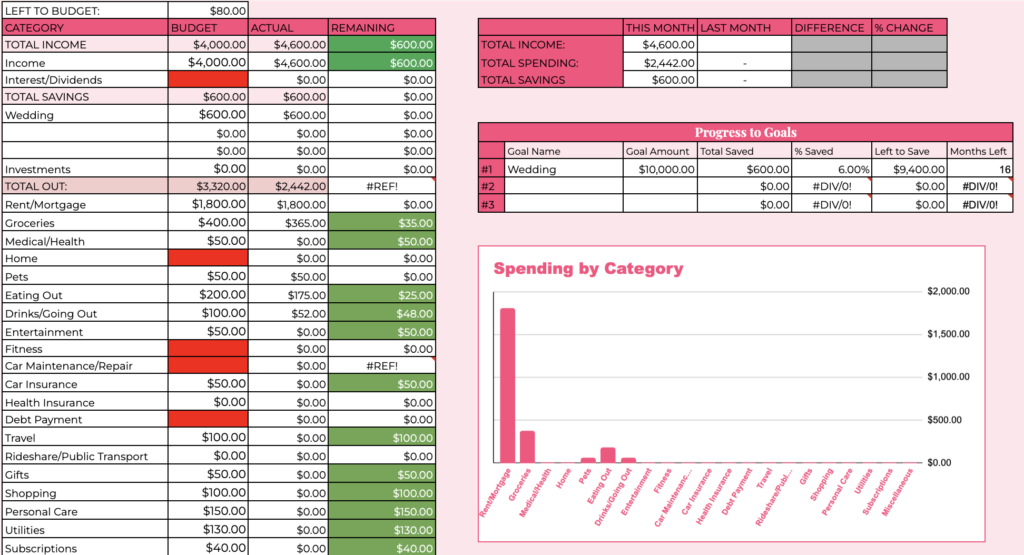
Annual Budget Spreadsheet + Net Worth Tracker
**Tool will be delivered to your email inbox upon purchase**
Take control of your finances with this easy-to-use Annual Budget Spreadsheet. Track your income, expenses, and savings goals while monitoring your financial progress with the Net Worth Tracker. Perfect for planning, budgeting, and seeing your wealth grow—all in one place.